RestocksAIO
Home/Solutions/Collectibles reseller software
Solution - Operating layer

Collectibles reseller software for Lego, figures and Funko at scale

Keep sealed Lego sets, figures, Funko and other collectible stock in the same owned-unit catalogue as the rest of the operation. RestocksAIO can connect eligible StockX listings, pricing rules and confirmed sales, while marketplace catalogue coverage, item condition and seller permissions remain the source of truth for what can go live.

Illustrative collectibles operationThree checks stand between an item and a route

Condition, packaging completeness and outlet eligibility are evaluated in order. An item that fails one does not silently list — it moves into a visible review lane.
Gate 01Condition
Gate 02Packaging complete
Gate 03Outlet eligible
Bearbrick 100% collectible figureBoxed figureSealed · outer box
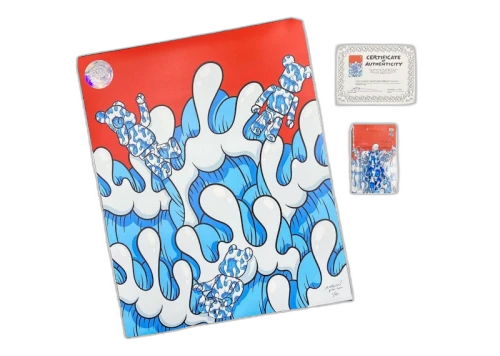
BAPE x Medicom Bearbrick 100% and 400% setBoxed setInsert missing
Routed to listingCondition and packaging recorded on the unit
Held for reviewPackaging exception stays visible, not listed

Collectible stock needs a record that survives every listing and sale.

What RestocksAIO replaces

  • Tracking sealed Lego, figures and Funko in a sheet that drifts daily
  • Re-keying each set's name and cost into every marketplace listing
  • Checking the eligible marketplace catalogue separately from owned stock
  • Reading StockX collectible asks one product at a time before pricing
  • Stock counts that don't know what sold while you slept
Operating path

From shelf to listed and tracked

Every step references the same collectibles catalogue.

Add the stock

Use manual entry or CSV; use barcode intake only when the exact collectible resolves in the product database.

Group the SKU

Each collectible sits as one grouped unit across the outlets it's listed on.

List eligible items

Push inventory-linked listings to StockX only when the product, condition and seller account are eligible.

Hold the payout floor

Where automated pricing is supported, Bricker follows seller-set rules and payout tracking follows confirmed sales.

What stays connected

Everything a collectibles catalogue actually needs

Pick an area to see what RestocksAIO handles inside it.
InventoryOne catalogue for the stock you hold

Collectible records stay grouped with cost, quantity and any eligible marketplace listings.

Owned stock

Quantity and cost tracked per collectible SKU.

Grouped SKUs

Each item and every marketplace under one unit.

Active listings

See what's live and where without leaving the pane.

Flexible intake

Use manual entry, CSV or a barcode only when it resolves.

ListingsList only eligible collectibles

StockX catalogue availability and the connected account decide what can be listed.

Eligible StockX listings

List only supported products and conditions.

Inventory-linked

Listings draw straight from owned stock.

CSV listing

Import listing data where a file is faster.

Mass Editor

Edit price and state across many items at once.

PricingPricing within a seller-set floor

Use current marketplace context and controller rules without assuming a future price move.

Payout floors

The minimum payout an item may drop to.

Raise-back rules

Allow price recovery only under the controller logic you configure.

Price comparator

Payouts side by side before you price.

Max payout

Cap the ceiling as well as the floor.

Payout trackingEvery sale, accounted for

Confirmed sales feed payout and profit visibility without a weekly export.

Sales tracking

Confirmed sales feed the numbers live.

Payout per SKU

Cost, payout and margin on each item.

Marketplace split

See which outlet moves more volume.

Export ready

Pull data out when accounting needs it.

DocumentsPaperwork after the sale

Invoices and labels generate from the sale that just closed.

Invoices

Built from sale and business-profile data.

Labels

Thermal label workflows for volume shipping.

Proof of delivery

POD downloads tied to the order.

Pickups

Carrier pickup where the workflow is supported.

Before / after

The same shelf, without the manual upkeep

With collectibles the manual risk is catalogue drift, unsupported listings and a count you cannot trust.
Daily task
Manual workflow
With RestocksAIO
Add a pallet of sets
Type each set name, cost and count into a sheet.Slow at volume
Manual entry or CSV records cost and quantity; barcode remains optional when supported.
Inventory
List an eligible collectible
Recreate the StockX listing and inventory record separately.Repeats per item
An eligible listing stays linked to the owned unit.
Listings
Protect the minimum payout
Recheck the market and update the price by hand.Repeats per SKU
Controller rules keep every supported move inside the payout floor.
Pricing
Reconcile after a sale
Decrement the count by hand and hope it holds.Drifts out of sync
A confirmed sale decrements the right item automatically.
Payout tracking
Product evidence

Batch catalogue control, without per-row edits

The shared Mass Editor used across eligible inventory records.
The Mass Editor demonstrates the shared batch-control interface. Collectible listing availability still follows the marketplace catalogue, item condition and connected account.
Works with these marketplaces
StockX
Operating posture

What it is - and what it isn't

Plain about scope so the buyer knows exactly what they're adopting.
Item-agnostic
Engine
The same inventory, listing and pricing engine for collectibles as for any SKU.
Collectibles
Outlets
StockX publishes collectible categories; exact product and seller eligibility remains marketplace-controlled.
No condition
Scope
It runs your catalogue; it doesn't grade condition or authenticate items.
Not a bot
Checkout
No automated buying. Listing and pricing stay within marketplace rules.
FAQ

Before you start

Short answers to what buyers ask first.
What collectibles can I manage?
You can record sealed Lego sets, figures, Funko and other collectible SKUs with cost and quantity in the same catalogue as the rest of your stock. Marketplace actions are narrower: StockX catalogue coverage, condition requirements and seller-account permissions determine which products can be listed, repriced or reconciled automatically. RestocksAIO does not grade or authenticate the item.
Which marketplaces carry collectibles?
StockX publishes collectible categories that include products such as eligible Lego sets, Funko figures and other named collectible types. Catalogue availability and condition rules change by product, and the connected seller account remains the source of truth for available actions. RestocksAIO does not turn an unsupported product into an eligible marketplace listing.
Can it capture cost and quantity per item?
Yes. Cost and quantity stay attached to the owned inventory record. Use manual entry or CSV for dependable intake, and barcode scanning only when the exact product resolves in the RestocksAIO database. This keeps the catalogue useful without promising universal barcode coverage across every set, figure or collectible line.
How does it protect the payout floor when prices change?
Where the marketplace account supports automated pricing, Bricker follows the payout floor, ceiling and controller rules you set. Raise-back can recover price under that configured logic, but the page does not assume a retirement, demand spike or future gain. Review the current marketplace context and keep the seller-set floor as the hard boundary for every supported move.
Is it different software from the sneaker tool?
No - it is the same RestocksAIO inventory model. Collectible records can sit beside sneakers and other stock, with cost, quantity and eligible listings attached to the SKU. Marketplace actions still depend on category coverage and account permissions, and barcode intake applies only when the exact product resolves rather than to every collectible automatically.

Run the collectibles catalogue like a real operation.

Review current plan availability for inventory, eligible listings, documents and supported payout tracking on the pricing page.